


Shopify blogs aren’t just “nice content.” When done well, they become a conversion engine—bringing in organic traffic, building trust, and turning curious readers into customers. The best Shopify blogs feel like media brands: they tell stories, teach, inspire, and subtly guide people toward a purchase without sounding salesy.
In this guide, you’ll learn the essential elements that make a Shopify blog exceptional, plus a curated list of 20 standout Shopify blog examples worth studying. You’ll also get a practical checklist you can follow to build your own high-performing blog on Shopify.

What Makes a Shopify Blog “Exceptional”?
Most ecommerce blogs fail for one reason: they publish content, but they don’t build a content system. An exceptional Shopify blog consistently delivers value, strengthens brand perception, and supports product sales without turning every post into an ad.
Here are the elements you’ll see in almost every high-performing Shopify blog.
Compelling storytelling
Great blogs don’t just list tips—they tell stories. Storytelling creates emotion, and emotion creates memory. Whether the story is customer-focused (real outcomes), founder-driven (why the brand exists), or lifestyle-driven (identity and aspiration), storytelling makes your content feel human.
High-quality visuals
In ecommerce, visuals are not decoration—they are credibility. Exceptional Shopify blogs use:
- strong hero images
- step-by-step visuals for tutorials and guides
- consistent styling (colors, framing, typography)
- short videos or GIFs when helpful
SEO optimization that doesn’t feel robotic
SEO isn’t only about keywords. It’s about matching search intent with content structure. The best Shopify blogs:
- answer the query quickly
- use clear headings and scannable formatting
- include internal links to related content
- build topical authority over time
Consistent branding
Exceptional blogs feel like the brand. That means tone, layout, photography, and even CTA styling look consistent with product pages. When the blog and store feel disconnected, trust drops.
Clear call-to-actions (CTAs)
CTAs don’t need to be loud. But they must exist. The best blogs guide readers toward:
- shopping a relevant collection
- joining an email list
- reading the next related post
Strategic product integration
Exceptional Shopify blogs integrate products naturally—inside tutorials, routines, recipes, lookbooks, and use cases. The product feels like part of the solution, not an interruption.
20 Shopify Blog Examples Worth Copying (And Why They Work)
Below are 20 standout Shopify blogs across niches. Use them as inspiration—not to copy content, but to copy structure, visuals, and conversion patterns.
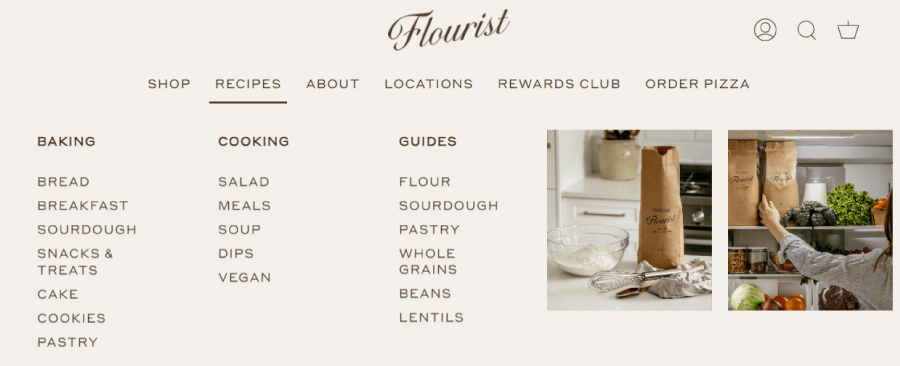
1) Flourist (Recipes + education)
A recipe-driven content strategy that builds trust and creates natural product demand. Great example of “value first” content.
2) Alchemy Fine Home (Magazine-style interior design)
Posts read like a premium magazine. Visual layout and editorial tone create a high-end shopping experience.
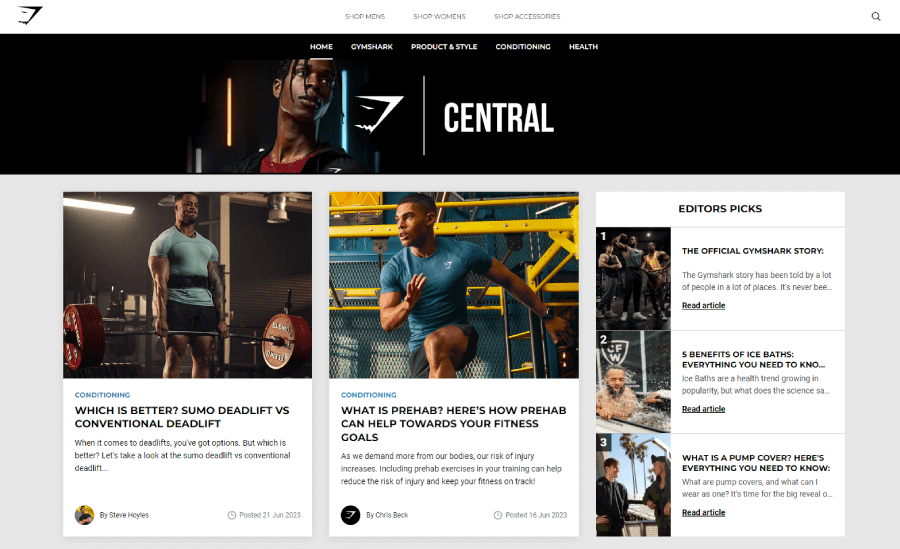
3) Gymshark (Fitness education + search intent)
Strong informational content that matches search intent while staying brand-aligned. Minimal hard selling, maximum trust-building.
4) Brooklinen (Lifestyle expansion beyond the product)
Broad lifestyle topics tied to the brand identity. The blog sells the “life” around the product, not just the product.
5) Mondo (Product drop news + collector audience)
High-intent audience, update-based content. Useful for drop-driven brands, though less SEO-heavy than others.
6) Maiden Home (Interior design guidance + premium positioning)
Education that supports high-consideration purchases. Strong visuals and curated design tone.
7) Luxy Hair (High-volume SEO authority play)
A long-term SEO engine: large content library, clear categories, strong informational intent.
8) Korean Skincare (Guides + product pairing)
Educational content with subtle product recommendations. Minimal design, high clarity, strong conversion potential.

9) Beavertown Brewery (Bold visuals + branded thumbnails)
Distinct visual identity. Blog feels like part of the brand universe, not a separate “content section.”
10) Purematcha (Niche education + local content)
Smart category structure and locally relevant posts that expand search visibility and maintain niche authority.
11) Nuun (Interactive visuals + structured content blocks)
Excellent example of using layout and interactive design elements to keep readers engaged.
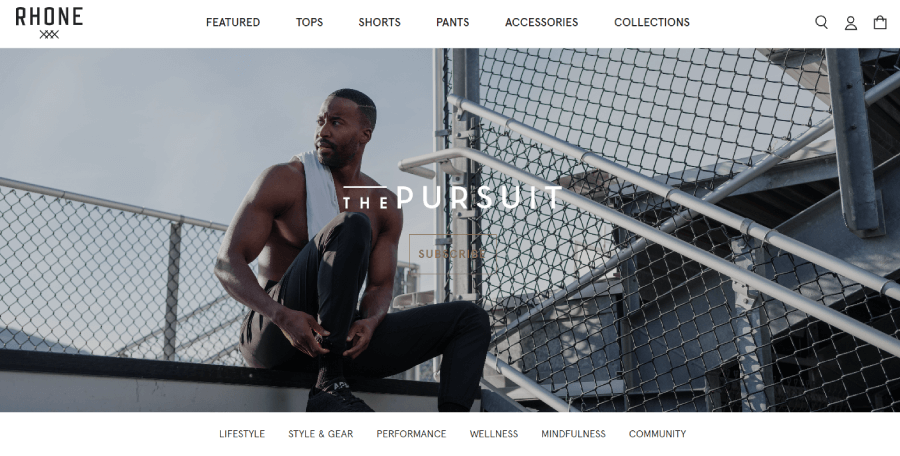
12) Rhone (Lifestyle + performance + community)
Strong category strategy that matches different audience motivations while staying on brand.
13) Perfect Keto (Content marketing funnel)
Educational content that naturally leads to products. Clear conversion paths without aggressive selling.
14) Mrs. Highbrow (Tutorials with embedded products)
Uses tutorials as conversion engines. Visual proof and product placements feel natural.
15) Caribshopper (Culture + SEO depth)
Long-form posts, strong SEO intent, and tasteful product embedding inside informational content.
16) Beardbrand (Persona-focused content)
Writes for a specific buyer persona, not “everyone.” Internal linking at the end increases session depth.
17) Rebecca Minkoff (Practical tutorial + product usage)
Shows how to use a product in real life. The tutorial is the sell—simple and effective.
18) PRESS / The Squeeze (Editorial brand publication)
Feels like a standalone magazine, which elevates brand trust and lifestyle positioning.
19) Death Wish Coffee (On-brand design + bold identity)
Strong visual identity and consistent theme. Great example of branding across all content pages.
20) Tushy (Distinct voice + unconventional SEO topics)
A strong brand voice can be a content moat. Humor + education creates memorability and shareability.
These examples show there’s no “one blog format.” The best blog is the one that fits your audience’s intent and your brand’s identity.
Is Shopify Good for Blogging?
Yes—Shopify is a solid platform for blogging because it integrates your content and commerce in one place. That matters because readers should be able to move from content to product without friction. Shopify also supports:
- consistent branding across store and blog
- product integration inside content
- SEO basics like editable URLs and meta descriptions
- easy publishing and post organization by tags/categories
For most ecommerce brands, the biggest advantage is this: your blog isn’t a separate website. It’s part of your sales system.
How to Start a Blog on Shopify (The Practical Steps)
Setting up a Shopify blog is straightforward. The more important part is setting it up in a way that supports growth.
1) Create a blog category structure
Don’t start with random posts. Start with categories aligned to search intent and buyer intent. Example categories:
- how-to guides
- routines and use cases
- product education
- gift guides / seasonal
- brand stories and behind-the-scenes
2) Create 5 cornerstone posts first
Cornerstone content builds authority and internal linking pathways. These are the posts you’ll link to repeatedly.
3) Build a publishing rhythm you can sustain
Consistency beats intensity. A realistic cadence (weekly or biweekly) is better than publishing 10 posts once and disappearing.
4) Add internal links intentionally
Every post should link to at least:
- one relevant product or collection (only if it fits)
- one related blog post
5) Use CTAs that match the reader stage
Early-stage readers don’t want a hard sell. Offer CTAs like:
- “Shop the routine” (collection)
- “Get the checklist” (email capture)
- “Read next” (internal link)
Shopify makes this workflow easier because content and commerce live together on Shopify.
Do You Need a Special Theme or Extension for Shopify Blogging?
You don’t need a special theme to start blogging. Shopify’s blog functionality is built-in. However, a theme that supports clean typography, fast loading, and good mobile reading experience will improve engagement.
What matters most isn’t “fancy design.” It’s readability and trust:
- comfortable font size and line spacing
- clear headings and short paragraphs
- fast-loading images
- simple navigation to categories
If your blog is hard to read, even great content won’t perform.
How Shopify Blogging Works (And How to Use It for Sales)
Shopify blogging works best when you treat each post as part of a customer journey.
Blog content brings traffic
SEO-driven posts answer specific questions. Lifestyle posts build brand identity. Together, they bring new visitors who may not have searched for your brand directly.
Content builds trust
When a blog genuinely helps a reader, the brand earns credibility. That credibility increases conversion on product pages.
Product integration drives conversion
Products should appear inside content where relevant. Example patterns:
- “what to use” product mention in a tutorial
- bundle recommendations in a guide
- routine-based collections linked from a post
Email capture turns visitors into repeat buyers
A blog visitor may not buy today. But if you capture email (with a valuable incentive), you can nurture them through post-purchase flows, education, and future offers.
Shopify Blog Checklist: Best Practices That Actually Matter
Use this checklist to build a blog that can drive traffic and sales over time.
- Audience-first topics: write what your target buyer is searching for and cares about.
- Strong hook: answer the “why should I keep reading?” in the first paragraph.
- Skimmable structure: clear H2/H3 headings, short paragraphs, bullet points.
- High-quality visuals: relevant images, consistent style, helpful diagrams where needed.
- SEO basics: keyword-aligned title, meta description, internal links, descriptive URLs.
- Brand consistency: tone and design match your store identity.
- Natural product integration: products appear as solutions, not interruptions.
- Clear CTA: one primary action per post (shop, subscribe, read next).
- Internal linking: guide readers to the next relevant post to increase session depth.
- Consistency: publish regularly enough to build momentum.
Final Thoughts
Exceptional Shopify blogs are not random collections of posts. They’re deliberate systems: audience-first content, strong visuals, consistent branding, SEO structure, and a clear path to conversion. The 20 examples above prove there’s more than one “winning style,” but the fundamentals stay the same—value first, trust always, and commerce integrated naturally.
Making good sales on Shopify becomes far easier when your blog is built as a growth engine—driving organic traffic through SEO, increasing trust with helpful storytelling, converting with subtle product integration, and compounding results through email automation, social proof, and a content library that keeps working long after publication.


